After installing industrial coatings in facilities across Sarasota and Manatee counties for over a decade, we still get the same question from facility managers and business owners: “What is industrial coating exactly, and how is it different from regular floor paint?”
It’s a smart question because the difference is significant. Understanding it could save your facility thousands in maintenance costs while improving safety and efficiency. Industrial coatings are specialized protection systems engineered to handle demands that would destroy conventional flooring solutions.
DecoCrete has seen countless businesses transform their operations simply by choosing the right coating system for their needs.
Understanding Industrial Coating Basics
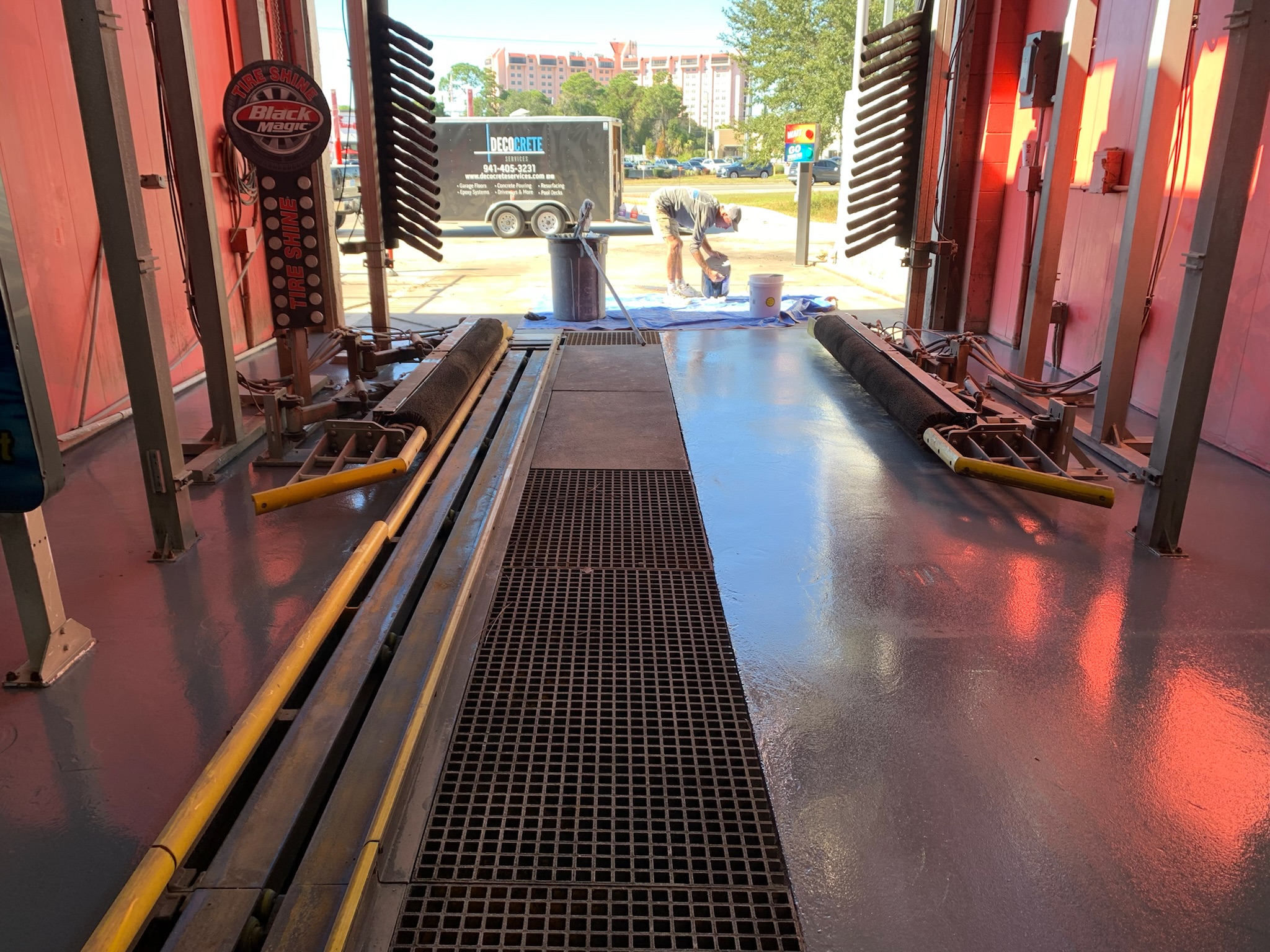
Industrial coating is a different category of surface protection compared to standard paints or basic floor finishes.
Key Components That Make Industrial Coatings Different
Industrial coatings contain specialized resins, hardeners, and additives that create chemical bonds with concrete surfaces rather than just sitting on top like paint. These formulations typically include epoxy resins, polyurethane components, or hybrid systems that cure into incredibly durable surfaces.
The thickness matters too. While regular paint is applied in thin layers, industrial coating systems often entail multiple coats that are several times thicker, creating substantial protection against impact, chemicals, and wear.
How Industrial Coatings Protect Surfaces
Think of industrial coatings as armor for your floors. They create seamless barriers that prevent liquids from penetrating concrete, resist chemical damage, and distribute weight across the surface to prevent cracking and chipping.
The protection works on multiple levels: chemical resistance prevents acids, oils, and solvents from staining or damaging the concrete beneath, while the hard surface resists abrasion from forklifts, foot traffic, and dropped tools.
Signs Your Facility Needs Industrial Coating
Consider industrial coating when you notice these warning signs:
- Stains that won’t come out no matter what cleaning products you use
- Surfaces that collect dust and dirt constantly, even after thorough cleaning
- Visible wear patterns from forklifts, equipment, or heavy foot traffic
- Concrete that’s becoming rough, pitted, or difficult to sweep
- Slippery surfaces that create safety hazards for employees
- Floors that don’t meet industry compliance or safety standards
These suggest your current flooring can’t handle your facility’s demands. Industrial coating is the engineered solution you need.
Common Types of Industrial Coatings
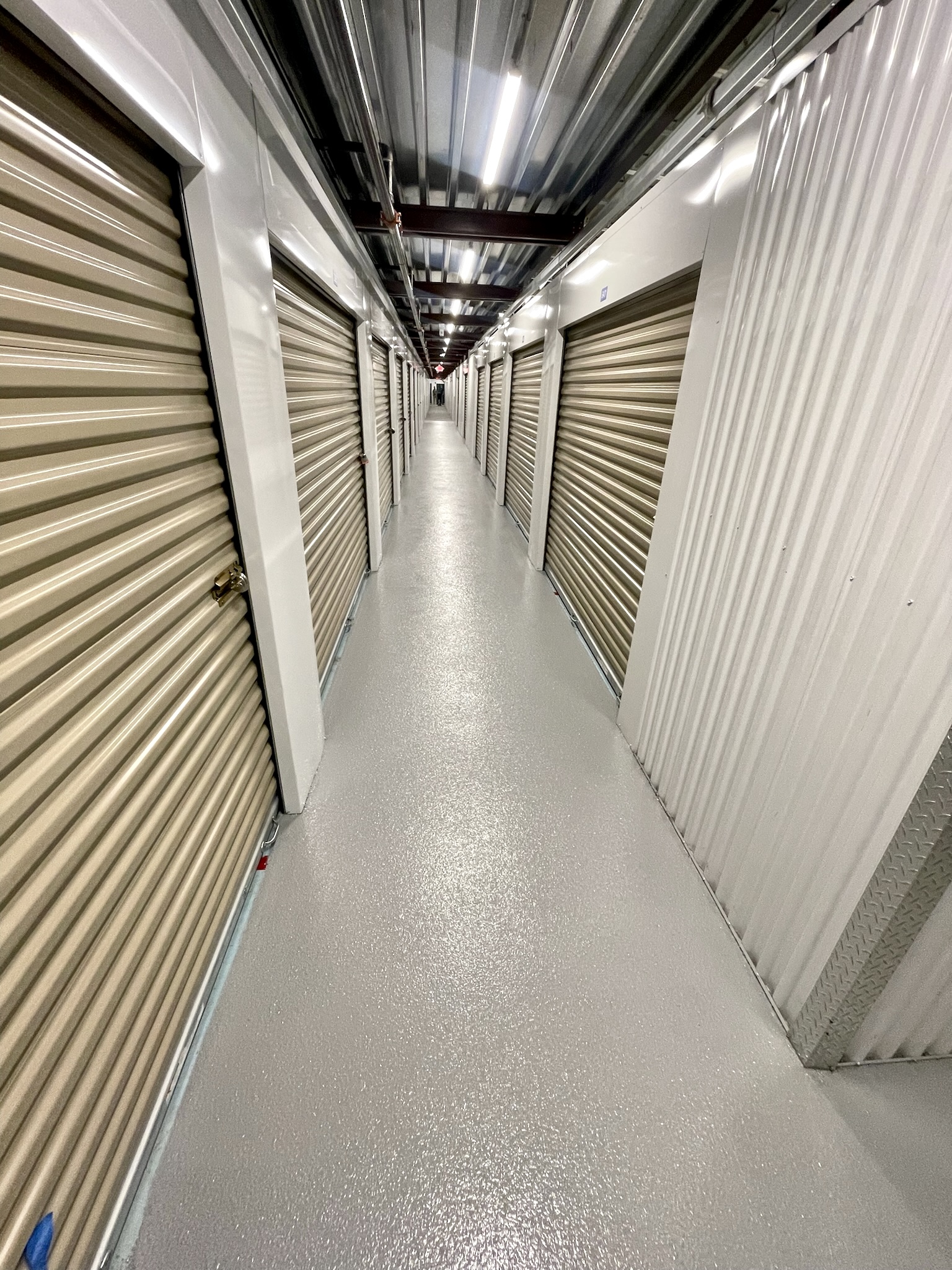
Different facilities require different industrial coating solutions based on their specific challenges and operating conditions.
Epoxy-Based Industrial Systems
Industrial epoxy flooring dominates manufacturing facilities and warehouses because it offers excellent chemical resistance and durability at reasonable costs. Epoxy systems cure into hard, glossy surfaces that resist common industrial chemicals while offering easy cleanup.
Two-part epoxy systems create the strongest bonds with concrete, while single-component versions offer easier application for less demanding environments.
Polyurethane and Specialized Formulations
When facilities need extra flexibility or UV resistance, polyurethane industrial coatings excel. These systems handle temperature fluctuations better than epoxies and maintain their appearance under outdoor exposure.
Specialized formulations address specific industry needs. These include anti-static coatings for electronics manufacturing, food-grade systems for processing facilities, and high-temperature resistant coatings for areas near ovens or furnaces.
Real-World Applications Where Industrial Coating Matters
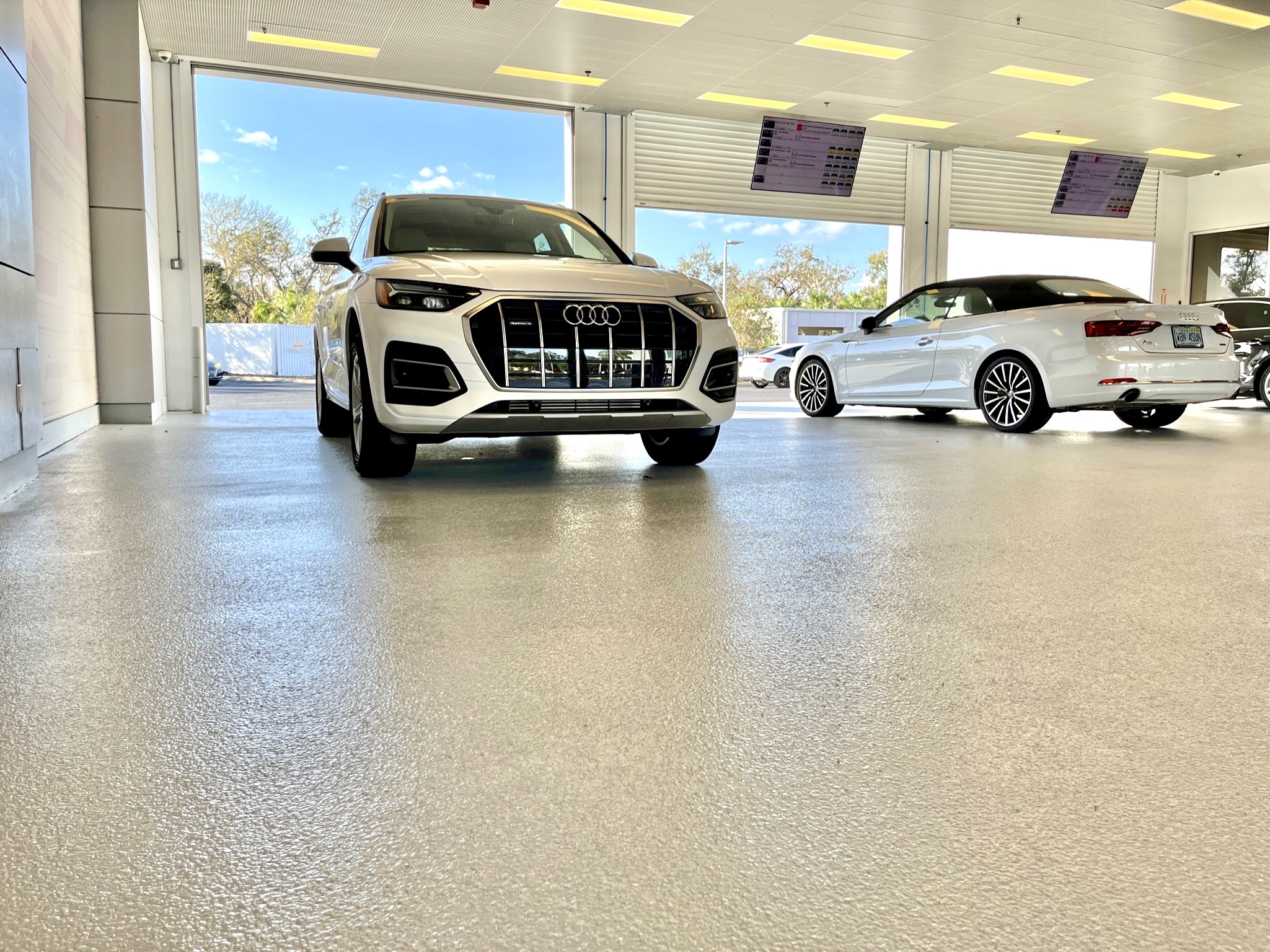
Understanding where industrial coatings provide the most value helps facility managers make informed decisions about their flooring investments.
Manufacturing and Warehouse Facilities
Manufacturing floors endure constant challenges from machinery, chemical spills, and heavy traffic. Industrial coating systems in these environments focus on impact resistance and chemical protection, creating surfaces that maintain their integrity despite daily abuse.
Commercial Kitchens and Food Processing
Food service facilities require industrial coatings that meet health department standards while resisting grease, acids, and constant washing. These specialized systems often include antimicrobial additives and seamless installations that eliminate places where bacteria can hide.
Automotive and Service Bays
Auto repair shops deal with oil spills, hydraulic fluid leaks, and chemical exposure that would quickly destroy regular concrete. Industrial coatings in these places focus on chemical resistance and easy cleanup, allowing spills to be wiped away without staining.
Choose the Right Industrial Coating Solution With DecoCrete
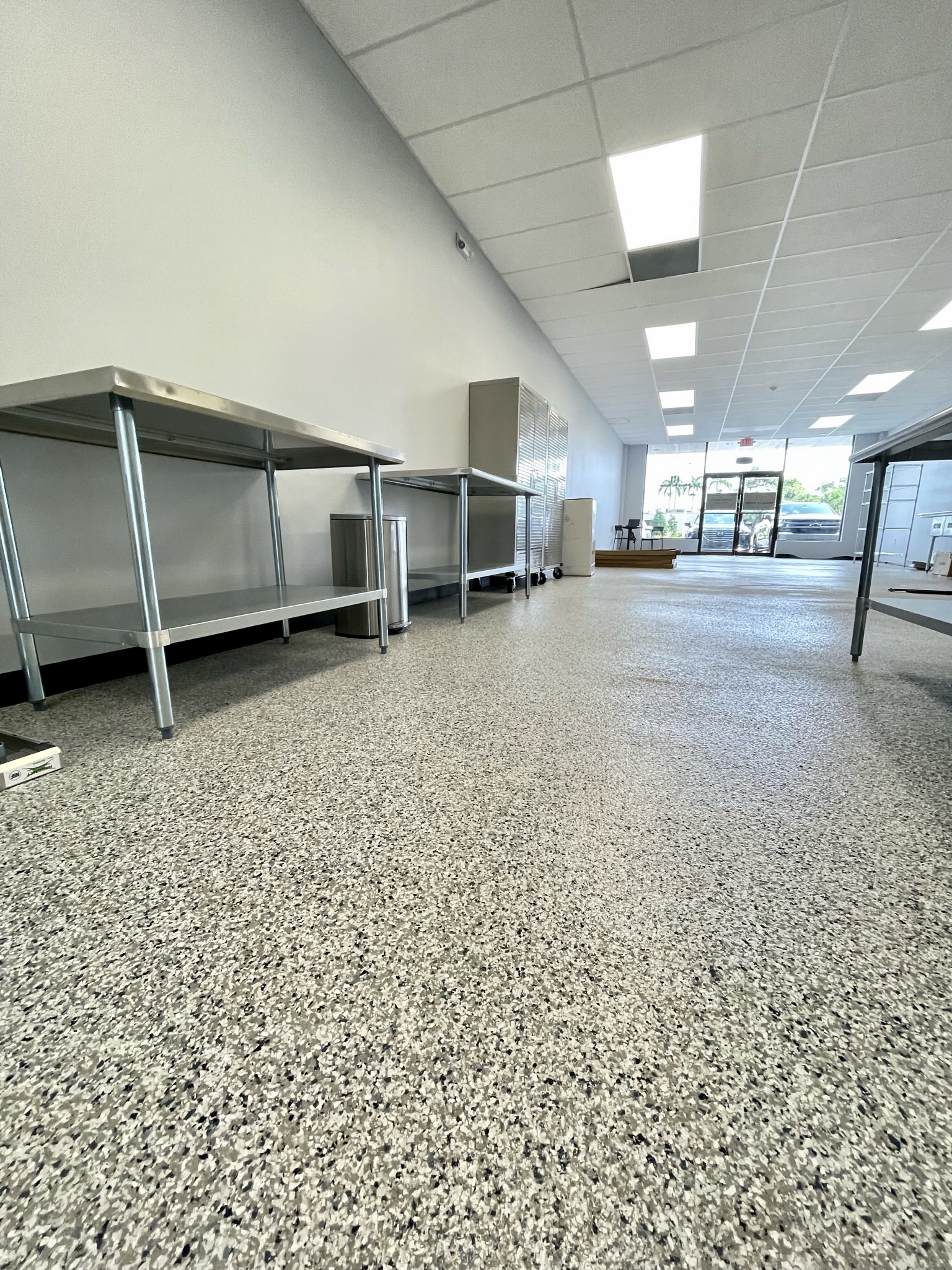
Selecting the best industrial coating requires a straightforward evaluation of your facility’s specific conditions, traffic patterns, and performance requirements.
Start by documenting what your floors currently endure–types of chemicals, frequency of spills, equipment loads, and cleaning procedures. This information helps coating professionals like DecoCrete recommend systems that will perform reliably. While industrial coatings require higher upfront investment than basic floor paints, they typically last years longer and require less maintenance, making them more economical over time.
Explore how the right industrial coating can transform your facility’s floors and reduce your maintenance headaches with DecoCrete. Reach out to us and get a customized solution that will protect your investment for years to come.

Devin Martin is the owner and lead specialist at DecoCrete Services, serving the Sarasota and Manatee County areas. With an eye for design and a focus on structural integrity, Devin specializes in transforming plain concrete into high-end, decorative assets. He is dedicated to providing Gulf Coast homeowners with durable, weather-resistant flooring solutions that blend aesthetic appeal with industrial-grade performance.