
How to clean a concrete floor for staining involves removing all surface contaminants—oil, grease, curing compounds, paint, and efflorescence—followed by mechanical or chemical etching to open the concrete’s pores so the stain can penetrate.
Six months ago, a garage floor we worked on had a ring of oil in the corner from a slow transmission leak, a pale streak where someone had patched a crack with masonry sealer, and a general gray flatness that no amount of decorating around it could fix. Today it has a rich, variegated walnut-brown acid stain with a semi-gloss sealer finish. The difference wasn’t the stain; it was everything that happened before it. The prep work is where this project either works or doesn’t.
DecoCrete Services prepares surfaces for concrete staining throughout Sarasota and Manatee County, FL. The steps below reflect what proper prep actually looks like on a Florida slab.
Why Cleaning Concrete for Staining Is Different From General Cleaning
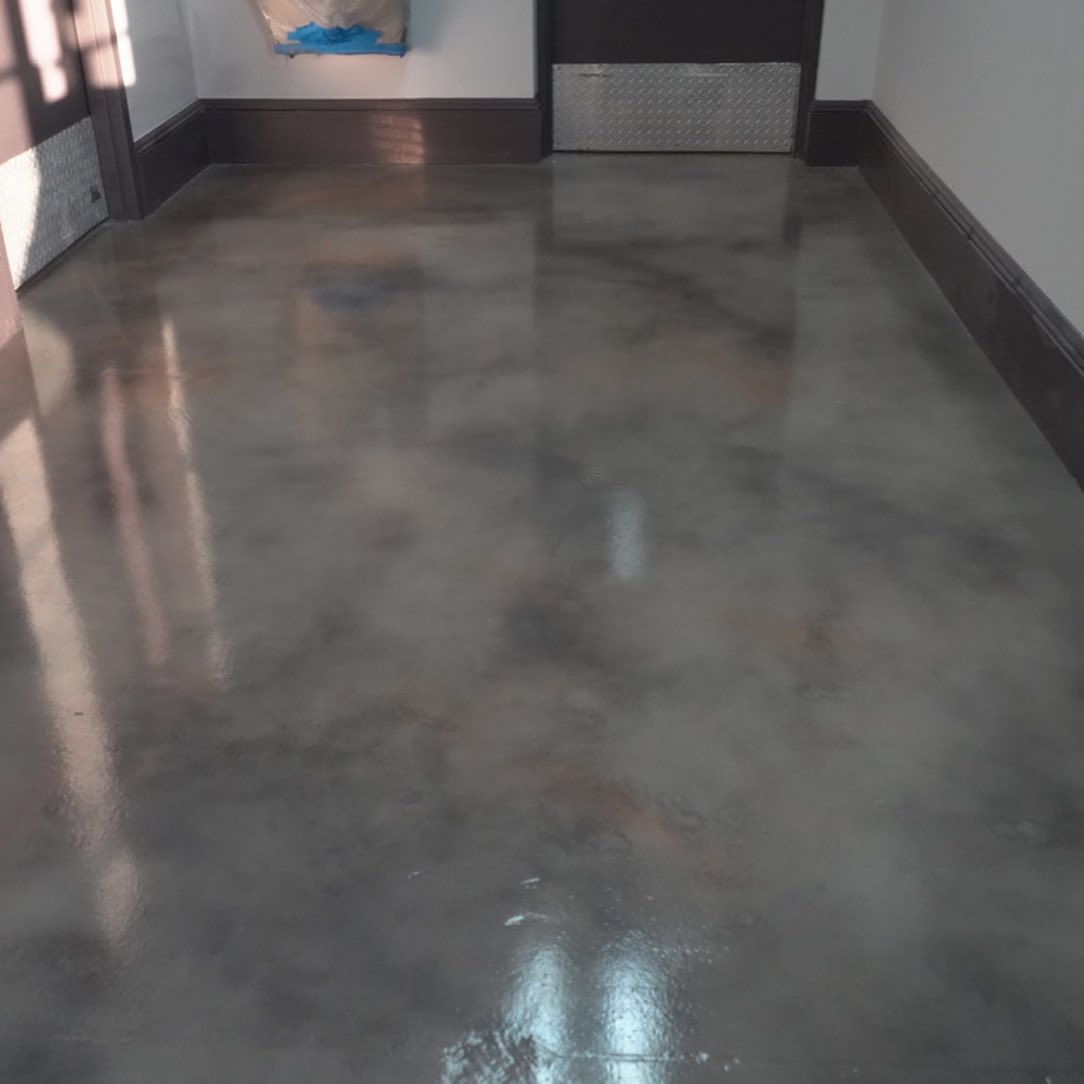
Cleaning concrete before staining removes anything that stands between the stain and the chemical reaction that has to happen inside the slab.
How Concrete Staining Actually Works
Concrete staining creates a chemical reaction between the stain and the concrete itself. Acid stains react with the calcium hydroxide and minerals present in the concrete, creating the mottled, translucent color that makes stained concrete look unlike any painted finish. Water-based stains penetrate the surface and deposit pigment into the concrete’s pores.
Why Contamination Blocks Color
The stain needs direct contact with the concrete to work. Oil, grease, curing compounds, old paint, adhesive residue, and silicone all block that contact. Stain applied over a contaminated surface produces blotchy, inconsistent color—not because the stain is bad, but because the concrete surface wasn’t letting it in equally.
The Florida Factor: Efflorescence
Efflorescence is the white crystalline deposit that forms when mineral salts migrate to the surface through moisture. Southwest Florida’s humidity and high water table make efflorescence common, and it needs to be addressed before staining.
Step-by-Step Concrete Cleaning for Staining

Each step in this process builds on the last. Skipping or shortcutting any one of them typically shows up in the finished floor as uneven color, poor adhesion, or both.
Step 1: Clear and Sweep the Floor
Remove everything from the surface. Sweep thoroughly, then vacuum any remaining dust. This is about eliminating abrasives that will damage the cleaning equipment and obscure surface defects you need to see before the next steps.
Step 2: Degrease Oil and Grease Spots
Apply a concrete degreaser (alkaline-based cleaner) to oil and grease spots. Let it dwell for the time specified on the product label, typically 10 to 20 minutes, then scrub with a stiff-bristle brush. Rinse thoroughly. Repeat for heavy contamination.
Motor oil that’s been sitting on a concrete slab for years may require two or three treatment cycles. Do not proceed to etching until degreasing is complete. Acid etching over oil-contaminated concrete produces uneven results.
Step 3: Remove Old Coatings, Sealers, or Paint
Existing sealers, paint, or epoxy coatings need mechanical removal, typically floor grinding or shot blasting, before staining. Chemical strippers can address thin paint or sealer layers, but thick or well-bonded coatings usually need grinding.
Step 4: Address Efflorescence
White, chalky deposits on the concrete surface indicate efflorescence. Apply a diluted muriatic acid solution (typically 10:1 water to acid) or a phosphoric acid-based cleaner to the affected areas. Scrub, allow dwell time, and rinse.
Efflorescence is a sign of ongoing moisture movement through the slab. In Southwest Florida, this is common in concrete that sits on grade with a limited vapor barrier. If efflorescence is widespread, it’s worth investigating the source before staining.
Step 5: Etch the Surface
Acid etching opens the concrete’s pores so the stain can penetrate. For acid staining, this step is critical. Smooth or sealed concrete won’t accept the stain uniformly. Apply a diluted muriatic acid solution (10:1 ratio is a standard starting point) or use a commercially prepared phosphoric acid etcher, which is safer to handle and easier to neutralize.
The etched surface should have a texture similar to 120-grit sandpaper when dry, producing a slight roughness you can feel underfoot. If the floor is still glass-smooth after etching, it likely needs mechanical grinding instead.
Mechanical preparation or diamond grinding is the method DecoCrete Services uses on most professional concrete staining projects. It opens the concrete profile more consistently than acid etching and removes surface contamination more reliably. It also leaves no acid residue to neutralize and rinse.
Step 6: Neutralize, Rinse, and Dry
After acid etching, neutralize the surface with a baking soda and water solution (1 cup baking soda per gallon of water), mop it in, then rinse completely with clean water. Rinse thoroughly. Any acid residue left on the surface interferes with the stain’s chemical reaction and can affect the consistency of the color.
Then wait. In Sarasota’s humidity, drying time after a wet prep process takes longer than it would in a drier climate. The floor needs to be fully dry, not just surface-dry, before staining. Rushing this step produces the same result as sealing too soon: moisture trapped under the finish layer that eventually causes adhesion failure. Prep work is a significant component of the total investment in any concrete staining project in Sarasota. Skipping steps doesn’t save money; it creates a floor that needs to be redone.
Frequently Asked Questions
How do you know if concrete is clean enough to stain?
Concrete is ready to stain when it has an open, slightly rough surface profile (similar to fine sandpaper), no visible oil or grease spots, no white efflorescence deposits, and is fully dry. A water droplet test helps: drop water on the surface. If it beads up, the concrete is still too sealed or contaminated. If it absorbs immediately, the surface is open and ready.
Does pressure washing clean concrete well enough for staining?
Pressure washing removes loose surface dirt and some light deposits, but it doesn’t degrease, remove sealers, or open the concrete’s pores for stain penetration. It’s a useful first step, not a complete prep solution. Pressure washing alone on a slab with any oil history, old sealer, or curing compound almost always produces uneven stain results. The stain absorbs differently in treated versus untreated areas.
How long after cleaning can you stain concrete?
After wet prep work (acid etching, neutralizing, rinsing), concrete should be allowed to dry completely before staining: typically 24 to 48 hours in Southwest Florida’s humidity. The floor surface should feel completely dry to the touch and show no moisture darkening on the slab before stain is applied. DecoCrete Services typically checks moisture levels with a meter before proceeding on any staining project.
Prep Is the Key
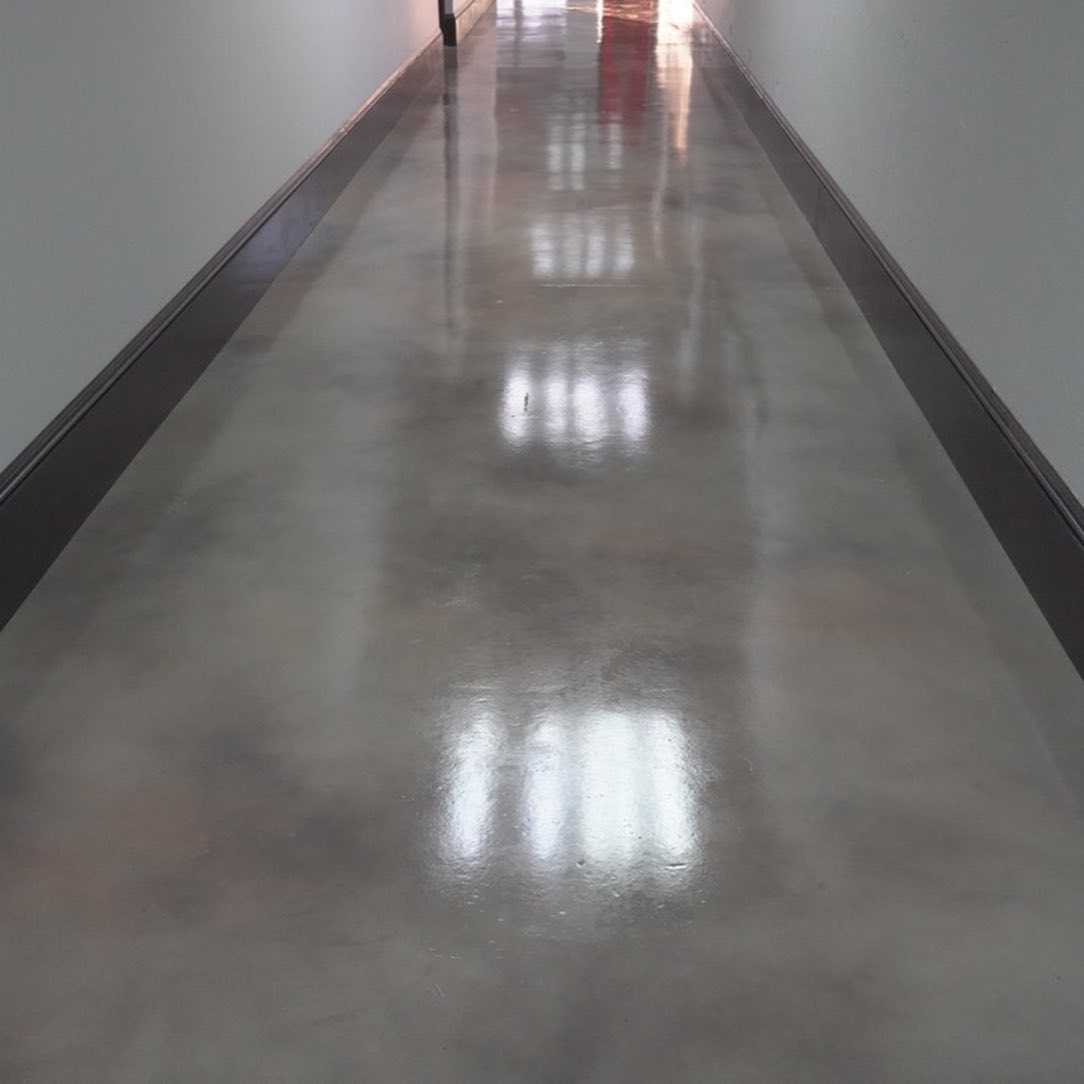
A concrete staining job done on a poorly prepared surface doesn’t take years to show problems. It often shows them within the first year or two. The stain color won’t penetrate evenly, the sealer won’t bond properly, and the result looks nothing like the reference photos that inspired the project. Done right, with proper degreasing, etching, and drying time, a stained concrete floor is a durable, visually distinctive floor finish that holds up well in residential and commercial settings.
Contact DecoCrete Services for a free quote on concrete staining in Sarasota and Manatee County. We handle every step of the preparation so the stain goes exactly where it’s supposed to.

Devin Martin is the owner and lead specialist at DecoCrete Services, serving the Sarasota and Manatee County areas. With an eye for design and a focus on structural integrity, Devin specializes in transforming plain concrete into high-end, decorative assets. He is dedicated to providing Gulf Coast homeowners with durable, weather-resistant flooring solutions that blend aesthetic appeal with industrial-grade performance.